the pros and cons of getting a dental crown: is it worth it

The Pros and Cons of Getting a Dental Crown: Is It Worth It?

If your dentist recommended a dental crown, you may wonder if it is for you. Dental crowns are one of the most common treatments in dentistry to fix damaged teeth, to shield them, to reinforce them, and to enhance them. But, as with any dental procedure, they have advantages and some potential drawbacks.

In this article, we’re going to take you through the advantages and disadvantages of dental crowns so you can choose whether they are appropriate for your smile.

What is A Dental Crown?

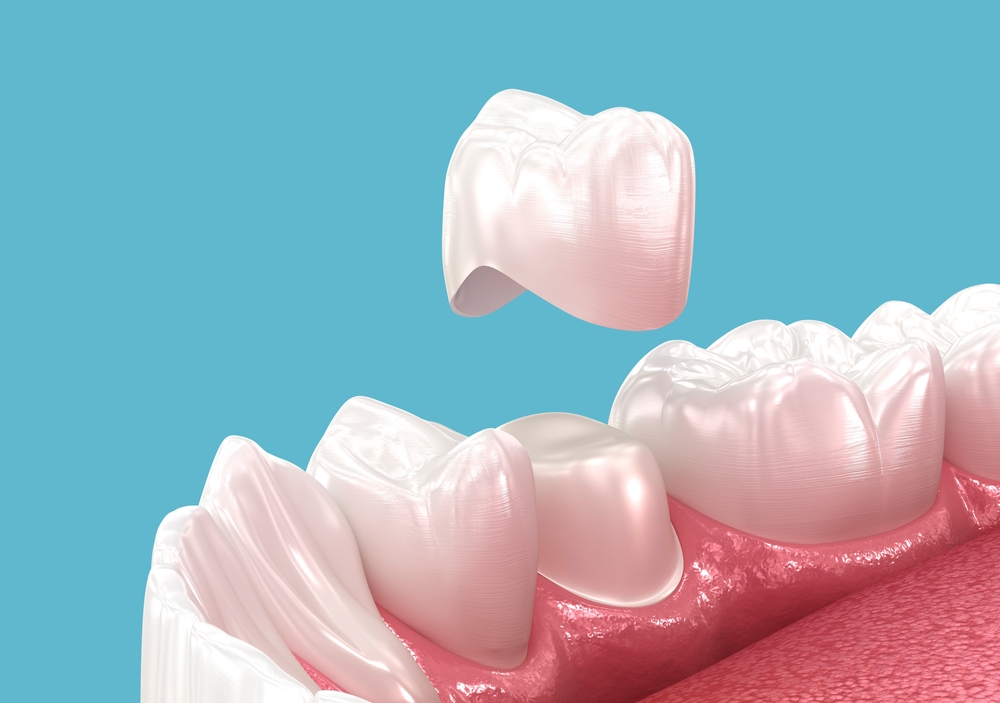
A dental crown is a cap on the exposed portion of a tooth. It’s usually placed when a tooth is weak, cracked, or badly worn down. Crowns may be fabricated from different materials like porcelain, ceramic, metal, or a combination of them. They’re commonly placed after a root canal, to cap a big filling, or to repair a broken tooth.

Pros of Dental Crowns

Let’s start with the positives, because there are many reasons why crowns are such a popular treatment.

Strength And Support

A crown keeps a broken tooth from being harmed further or getting decayed. It is very helpful if your tooth broke due to a huge filling or a root canal.

Natural Look

Porcelain or ceramic crowns are made to reflect the appearance and color of your own teeth, providing you with a stunning, elegant smile.

Restores Function

Crowns help restore your ability to chew and speak normally, especially if the cracked tooth was sensitive or affecting your bite.

Long-Term

With good care, dental crowns can last 10 to 15 years or longer. Crowns are extremely long-lasting compared to other options.

Every crown is designed to be specially fitted onto your tooth so it feels comfortable and aligns perfectly with the rest of your bite. Local dentists can create a crown in Randolph that perfectly meets your requirements.

The Cons Of Dental Crowns

Of course, no treatment is perfect. Here are a few things to consider before going forward.

Cost

Crowns are more costly than fillings or other dental procedures, particularly if you opt for high-end materials. But many dental insurance policies pay for half the cost if it’s medically needed.

Tooth Sensitivity

After getting a crown, some patients may experience sensitivity to hot or cold. This usually goes away, but it can be uncomfortable at first.

Potential For Damage

Although crowns are strong, they can chip or crack, especially porcelain ones. If that occurs, your dentist may have to fix or replace it.

Needs Tooth Reshaping

Your dentist will have to shave down some of your natural tooth in order to accommodate the crown. This is not reversible, and the tooth will always require a crown from now on.

So, Is It Worth Getting a Dental Crown?

You may still be wondering, Is getting a dental crown worth it? The answer lies in your own dental needs. If your tooth is weakened, decayed, or chipped, a crown can salvage it and restore functionality and beauty. It is possibly a greater initial investment, but the long-term benefits, such as longevity, protection, and comfort, will usually make it worth it.

Trust Your Smile to A Dentist In Randolph

If you are unsure whether a dental crown is for you, consulting an experienced Randolph dentist is the place to start. Randolph Dental Smiles is an expert at creating high-quality and strong dental crowns in Randolph that are specifically designed to suit your requirements. Our team will guide you through diagnosis and insertion, as well as guide you towards making an informed choice.

Ready to smile again? Book an appointment today and find out if a dental crown is what you require.

common dental bridge issues and how to fix them

Common Dental Bridge Issues and How to Fix Them

Dental bridges are applied to fill in missing teeth and restore your smile. They make eating and talking easier, and they also prevent your other teeth from shifting out of position. But, like any dental procedure, they can sometimes cause complications. Being aware of what to look out for can enable you to address problems at an early stage and prevent more severe issues down the line.

Lots of individuals begin looking for information online regarding dental bridge issues when something doesn’t feel right. It could be a pain, a feeling of discomfort, or a change in your bite, but issues can arise even after years with a bridge.

Loose or Shifting Bridge

One of the most recurring dental bridge complications is when the bridge becomes loose or shifts slightly when you chew. This can occur when the cement that secures it weakens or when the supporting teeth weaken. A loose bridge can allow bacteria in, which may cause decay or gum issues.

Your dentist might have to take out the bridge and examine the teeth below. If there is decay, it will have to be treated before the bridge is repaired or replaced.

Pain or Sensitivity

Some individuals develop pain or sensitivity when they have a bridge placed. Pressure on the supporting teeth is a possible cause, or perhaps the fit isn’t exactly correct. If, after a little while, the pain persists, it may be a sign of something more serious.

When individuals search for problems with dental bridges, pain is often what catches their eye. It shouldn’t be overlooked. A dentist can re-align the bridge or look for signs of decay or infection.

Food Getting Stuck

It’s not unheard of for food to become stuck under or beside a dental bridge. If this occurs often, it can cause gum inflammation or halitosis. It may also indicate that the bridge wasn’t fitted correctly, or the space underneath wasn’t properly shaped during therapy.

Employing special cleaning tools such as floss threaders or water flossers may be of assistance. However, if it persists, you might need to go back to your dentist for adjustment or a new one.

Chips or Cracks

Dental bridges are not invincible and can chip or crack, particularly when you bite hard foods. A crack may not be painful initially but increases in size over time and leads to further damage.

If a bridge becomes damaged, it will normally need to be repaired or replaced. Don’t use your bridge to bite on hard objects such as ice, and inform your dentist immediately if you feel a rough area or a change in shape.

Gum Problems Around the Bridge

Occasionally, the surrounding area of the bridge may become red, swollen, or bleed when you brush. These symptoms usually indicate gum disease. Insufficient cleaning around the bridge will enable plaque to accumulate and result in infection.

Brushing and flossing every day are important to maintaining healthy gums. It also prevents going to a dental clinic near you for regular checkups and cleanings. Early treatment can prevent gum issues from becoming larger issues.

Bite Feels Off

Once you get a dental bridge, the bite of some individuals feels different. This can occur if the bridge is high or misaligned. It can cause pain in the jaw, teeth grinding, or headaches.

Inform your dentist if you feel like your bite is off. A minor adjustment could be all that is required to correct the issue and maintain your mouth comfortable.

What Can You Do to Avoid These Problems?

Though certain problems may occur over time, there are measures you can take to maintain your dental bridge properly:

  • Brush your teeth twice daily with a soft toothbrush
  • Floss every day, even under the bridge
  • Use a water flosser for those hard-to-clean areas
  • Do not chew on hard foods such as ice or popcorn kernels
  • Have regular checkups with your dentist

Caring for your bridge is the same as caring for your natural teeth. A small amount of effort every day can prevent you from having to repair or replace it in the future.

Need Help With Your Dental Bridge?

If you’re having any of these issues, don’t procrastinate. At Randolph Dental Smiles, our professional team is waiting to assist you in finding solutions and maintaining your healthy smile. We assist in every type of dental care, including dental bridges in Randolph. If your bridge is new or has been years in the making, we can help you maintain it for the long haul.

When Is It Time to Replace Your Dental Bridge? Signs You Need a New One

A dental bridge is a proven method of filling in missing teeth, restoring function and aesthetics. But, as with all dental restorations, bridges are not forever. With time, they can wear out, get damaged, or no longer fit. Knowing the dental bridge replacement signs is important to ensure oral health and comfort. Here, we are going to know about when a dental bridge should be replaced, typical signs that call for a new dental bridge, and what to do in case you feel any of them.

How Long Does A Dental Bridge Stand?

The lifespan of a dental bridge varies according to the materials used, the oral health of the patient, and the lifestyle. In general, a dental bridge can last from 5 years up to 15 years, but proper care over time may make it possible for the dental bridge to last longer, and the dental bridge will have to be replaced someday. 

Common Signs To Know When To Replace A Dental Bridge

  1.  Pain or Discomfort Surrounding the Bridge

A dental bridge is supposed to fit comfortably when correctly placed. Anything other than that, like pain, sensitivity, or discomfort in the area of the bridge, may indicate that:

  • The bridge is ill-fitting.
  • There may be decay forming under the supporting teeth.
  • Gum recession is exposing sensitive areas.

If you are feeling constant discomfort, it may be time to have yours replaced. 

  1.  Visible Damage to the Bridge

Dental bridges over time can be subject to cracks, chips, or general wear. Damage can compromise the structure of the bridge, rendering it less capable of supporting your bite. If you notice visible damage, call a dentist near you to assess whether a replacement is required.

  1.  Loosening of the Bridge

A good fit is what makes a dental bridge successful. If your bridge begins to feel loose, it might be because of:

  • Worn dental cement
  • Shifts in underlying teeth
  • Jaw bone loss

A loose bridge can interfere with chewing and speaking, indicating that your dental bridge should be replaced.

  1.  Trouble Chewing or Speaking

Your bite ought to be completely restored by a dental bridge. If, all of a sudden, chewing on some food or speaking is tough, the bridge might not be properly aligned anymore. This trouble can come on over time as the teeth around the bridge move and develop dental bridge replacement signs.

  1.  Gum Recession Around the Bridge

Receding gums may expose the bridge’s edges and stop it from working correctly, leading to a greater risk of decay and infection. If your gums seem to be receding away from the bridge, then a new dental bridge is in order to provide a good fit and avoid further oral complications.

  1.  Bad Breath or Unpleasant Taste

Continuous bad mouth odor or weird mouth taste might be caused by food particles becoming stuck or by bacteria growth around the dental bridge. This commonly occurs when the bridge has shrunk, no longer seating in a healthy fashion, so particles can accumulate under it. Unless you regularly brush and floss, it’s possible you may require a replacement dental bridge.

  1.  Tooth Decay Under the Bridge

Although a dental bridge covers lost teeth, supporting natural teeth holding it in place can still experience decay. In case your support teeth weaken or decay, the bridge will not be stable, and thus the need for a new dental bridge will be required.

Expert Dental Bridge Replacement at Randolph Dental Smiles

At Randolph Dental Smiles, we specialize in dental bridge care and replacement, ensuring that our patients receive top-quality treatment. If you’re searching for a dentist in Dacula to help with your dental bridge replacement, contact us today to schedule an appointment!

Can You Live a Normal Life with Dentures?

If you are thinking about dentures, you might wonder if they will permit you to lead a normal life. Life after getting dentures has an adjustment phase, but with time, patience, and proper care, you will be able to lead the same lifestyle and feel the same confidence again. Most people adapt well to leading a life with dentures, having minimal to no interference in their lives.

Adapting to Life with Dentures

The process of getting used to dentures takes patience while your mouth and muscles learn. At first, eating and talking might be somewhat different, but with repeated use, you can regain functionality and comfort. Below are some points about the adaptation process If you’re considering dentures:

  1. Eating with Dentures

When adapting to dentures, begin with soft foods such as yogurt, mashed potatoes, and soups. Add solid foods gradually by cutting them into tiny pieces so chewing becomes less strenuous. Chew very slowly and evenly on both sides of your mouth so your dentures will not slip. Avoid sticky or hard foods that could ruin your dentures or cause discomfort while eating.

  1. Speaking Clearly

It may take some practice to speak with dentures, but there are simple exercises that can assist. Reading aloud or speaking in front of a mirror can improve confidence and clarity. You’ll be able to adjust to the new pronunciation by talking slowly. Over time, the muscles in your face and tongue will adapt, making speech easier and more natural.

Taking care of oral hygiene with dentures

Dentures, like real teeth, require frequent cleaning and maintenance to function properly. Proper oral care will help them live a longer and healthier life.

  1. Cleaning your dentures
  • Rinsing your dentures at night is advised to prevent bacteria growth.
  • Brush your teeth with a non-abrasive toothbrush and dental cleanser daily to avoid bacteria growth.
  • Soak them in denture solution to prevent them from drying out and developing bacteria.
  1. Taking care of your gums
  • To rid the mouth of bacteria and improve blood flow, brush your gums, tongue, and palate.
  • Schedule check-ups with your dentist for any necessary alterations. 
  • If your dentist recommends it, you should use the adhesive to secure it in position.

Common Challenges and Solutions

Living with dentures enables you to lead a regular life; some small problems could be there. Here’s the way to overcome them.

  1. Slipping of dentures
  • If the dentures are slipping while eating or talking, attempt using a denture adhesive for a better fit.
  • If it continues to slip, visit your dentist to assess if any modification is needed.
  1. Discomfort and sore spots.
  • A little soreness is normal initially.
  • Let your gums settle, and see your dentist if the discomfort continues.
  1. Bad Breath and Bacteria Buildup
  • Dentures must be brushed and taken out at night to prevent odours and infection.
  • To keep your mouth fresh, rinse it with mouthwash or salt water.

Enjoying Life with Dentures

After you adjust, you can live a normal life with dentures and enjoy all the things you enjoyed previously. Whether it’s eating out, meeting friends, or laughing freely, dentures can allow you to regain your quality of life.

  • Eating out: When eating out, choose denture-friendly dishes and chew slowly.
  • Social confidence: With well-fitting dentures, you can speak and laugh like you used to.
  • Active lifestyle: Dentures won’t stop you from exercising or pursuing hobbies.

Take Pride in Your New Smile

Dentures are an excellent approach to restoring function and aesthetics while maintaining your normal lifestyle. With good care and a positive attitude, wearing dentures becomes second nature.

For dentures, visit Randolph Dental Smiles. Our experienced dentist in Randolph will help determine the best fit, and it will be as easy as one, two, or three to acclimatize and maintain a confident smile.

Dental Sealants: A Protective Solution for Kids

Good oral health should always begin at such a very young age, and preventing cavities in children is the utmost priority of parents. One effective way for protecting your child’s teeth is through dental sealants for kids. These are protective coatings that create a barrier against any tooth decay, making it possible to have a healthier smile for years in the future.

What Are Dental Sealants?

Thin plastic coverings called dental sealants are placed to molar and premolar chewing surfaces. Back teeth have grooves and pits for food particles and bacteria, leading to cavities. Sealants cover up these areas, preventing decay before it begins.

How Do Protective Dental Sealants Work?

It is simple and painless to apply dental sealants. The dentist cleans the tooth, dries it, and then places a bonding material that facilitates the sealant’s adhesion onto the tooth. It will then harden using a special curing light, allowing it to set upon and create a smooth, protective layer over the tooth’s surface.

Benefits of Dental Sealants

  1.  Prevents Cavities

One of the biggest benefits of dental sealants is their ability to prevent cavities. By sealing deep grooves in the teeth, sealants stop bacteria and food particles from settling in, reducing the risk of decay.

  1.  Saves Money on Future Dental Treatments

Preventing cavities means fewer trips to the dentist for fillings or other treatments. Investing in dental sealants now can help save money on costly dental procedures in the future.

  1.  Quick and Painless Application

Many parents worry about their child’s comfort during dental visits. Fortunately, applying sealants is a quick, non-invasive process that requires no drilling or injections.

  1.  Long-Lasting Protection

Sealants can last for several years with proper care. Regular dental checkups ensure they remain intact and continue protecting your child’s teeth.

  1.  Safe and Effective

Dental sealants are a safe and effective way to protect children’s teeth from cavities. They are commonly recommended by dentists and are widely used in pediatric dental care.

Who Should Get Dental Sealants?

Dental sealants are most beneficial for children and teenagers, especially those prone to cavities. The American Dental Association (ADA) recommends sealants for kids as soon as their permanent molars erupt, usually around ages 6 and 12. However, some adults who have deep grooves in their teeth can also benefit from sealants.

Are There Any Risks?

There are no significant risks associated with dental sealants. Some children may experience slight discomfort when the sealant is applied, but it quickly goes away. Rarely, a sealant may come off and need reapplication. Regular dental visits ensure they stay effective.

Sealants vs. Fluoride: What’s the Difference?

Both sealants and fluoride play a role in sealants for cavity prevention, but they serve different purposes. Fluoride strengthens enamel and helps prevent decay, while sealants provide a physical barrier against bacteria and food particles. Many dentists recommend using both for optimal protection.

Finding dental sealants For Your Kids

If you are looking for dental sealants near you for you child, you should find a reliable dental clinic that offers pediatric dental care. A good dentist can evaluate your child’s teeth and determine if sealants are the best solution.

Why choose dental sealants for your child

Healthy, cavity-free smiles during childhood are very important for overall health. Dental sealants prevent decay and keep that bright smile healthy. If you are looking for a good dental sealant from an expert dentist in RandolphRandolph Dental Smile is the place to go. The team knows that fine dental care for children requires professional skills, which is what we at Randolph Dental Smile provide. Call us today to book your appointment!

5 Warning Signs You Should Visit Your Dentist ASAP

5 Warning Signs You Should Visit Your Dentist ASAP

Maintaining your dental health is crucial for your general well-being and your self-confidence. However, most people forget about their oral health until something serious happens. Fortunately, your body usually sends you warning signs before a dental problem becomes more serious. Being able to detect these signs early can help you avoid bigger issues in the future. If you see any dental health warning signs like this, it may be time to see your dentist sooner rather than later.

1. Persistent Toothache

Tooth pain is one of the most common dental problems people experience. When you have mild, dull pain or deep stabbing pain it is often a strong signal that something could be wrong. If the pain lasts for more than seven days or gets worse you should see your dentist immediately.

Toothaches can be caused by various problems such as tooth decay, an abscese or even a impacted wisdom tooth. Ignoring a persistent toothache can lead to severe infection or other complications that could require more invasive treatments like a root canal or tooth extraction. Never underestimate the importance of tooth pain. If the pain is sharp, throbbing or triggered by hot or cold foods it should be treated immediately.

2. Swollen or Bleeding Gums

Healthy gums should appear pink and firm. If your gums become swollen, red, or bleed easily when you brush or floss, you may be experiencing gingivitis, which is the first stage of gum disease. Gingivitis is typically caused by poor oral hygiene, but it can escalate into periodontitis if left untreated.

It’s more serious than gingivitis and can lead to gum recession, tooth loss, and damage to the bones that support your teeth. Any swelling, tenderness, or bleeding needs to be taken seriously and consulted with your dentist immediately for an examination and a professional cleaning.

3. Loose or Shifting Teeth

If teeth are loose or shifting out of place may indicate underlying issues such as gum disease or bone loss. As periodontal disease progresses it can weaken the support structure of your teeth. This can lead to loosening or movement if they get stuck. It is very important to know when to see a dentist because this type of issue causes many problems if you ignore it.

Shifting teeth in some cases can also be related to trauma or a misalignment in your bite. Regardless of what causes the violence, this is not something to be ignored. In addition a dentist can assess your situation and recommend treatments to stabilize your teeth such as braces or even surgery should it be necessary.

4. Difficulty Chewing or Swallowing

There can be various reasons why one feels pain while chewing or swallowing. Tooth infections, abscesses, or even oral cancer could be a reason. Biting pain could also be a cracked or decayed tooth. Some dental problems include an infection reaching the tooth root that leads to continuous pain in the gum or cheek when chewing.

If you are unable to chew food comfortably or swallow liquids, you should see a professional. Your dentist will examine your mouth and may refer you to a specialist for further testing if there are any growths or unusual lumps.

5. Bad Breath (Halitosis)

While occasionally bad breath is common after eating certain foods, persistent bad breath (known as halitosis) may indicate an underlying problem. It can be a result of oral hygiene, gum disease or bacterial infection. On the other hand, bad breath can be caused by a more serious condition such as dry mouth or even systemic problems like diabetes and liver disease.

If you come back with bad breath that does not go away when clean it’s time to make an appointment with your dentist. Halitosis is often a symptom of a deeper problem which needs to be addressed immediately.

Take The First Step For A Healthier Smile

Oral health is a critical aspect of one’s overall health. Early detection of warning signs can save you from more severe problems down the line. Be it a toothache, swollen gums, or persistent bad breath, these symptoms of dental problems should not be ignored. A visit to your dentist will ensure that any potential problems are diagnosed and treated quickly.

In case you notice one or more of these warning signs, then there is a Randolph Dental Smile. Our well-qualified team aims to give you the best service so that you keep your healthy smile and radiating brightness at the right time. Do not delay any further, schedule an appointment with us now!

How to Choose the Right Dentist in Randolph: 8 Useful Tips

How to Choose the Right Dentist in Randolph: 8 Useful Tips

Finding a new dentist may not really be an easy task, especially if you are moving into a completely different area or probably you are dissatisfied with your present provider. There will be so many options, and it can become complicated to choose a right dentist. Your oral health is very important; therefore, you need to select a dentist who really can serve your needs as well as feel comfortable and at ease with him or her.

Here Are Some Tips On how to Choose A Dentist :

1. Request for Referrals

Take the first step in setting up a new dentist by asking friends, family, or coworkers for suggestions. Their experiences with various dentists will help you a lot in narrowing down the choices. You can also ask your old dentist for references if you are moving. Discover online reviews and ratings of dentist near you to further understand their reputation and patient satisfaction.

2. Spend time considering the location and office hours.

Another thing to define while booking an appointment with a dentist is location and office hours. You should look for a dentist that is very close to your house or in proximity to work so that it will be quite easy for you to take your appointment without having to adjust your lifetime routine every time. Make sure to find out if the doctor has a very flexibleoffice schedule, including evenings and weekends, to fit into your busy schedule.

3. Check Their Credentials and Experience

Before going to a new dentist, you should check his credentials and experience. A dentist who is A competent dentist should be duly licensed and board-certified as a member of the American Dental Association (ADA). You can also ask about their educational qualifications, training, and years of experience practicing the profession. Knowing if they specialize in specific areas in the field, like cosmetic dentistry or pediatric dentistry, is also a plus.

4. Listen to Their Communication Style

Good communication with your dentist will let you build a relationship with them and meet your dental needs better. So, how does your dentist communicate on that first visit? Does he/she listen to and answer all your questions patiently? Explains the procedures and options comprehensively without assuming you know anything? An excellent dentist should be able to communicate and feel at ease.

5. Reflect on Services Being Offered

Choosing a dentist almost always revolves around the services that one provides. Ideally, you should be able to refer your patient to treatments with a dentist who can meet not only your minor routine cleanings checkup but also much more complicated appointment requirements. In essence, you want a dentist that provides all services-from whitening and orthodontics to implanting dental pieces. Querying on the kind of technologies and techniques utilized by the dentist assures that he is updated in the practice and all recent discoveries in dentistry.

6. Learn About Insurance and Payment Options

Dental treatments are not cheap, and one should, therefore, find a dentist that has his/her insurance or offers affordable payment. Before making the appointment, check to see whether they take your respective insurance plan or ask whether the practice offers a payment plan for treatment and savings for cash payment. So that you will not be surprised by hidden costs, dental health will become easy on the pocket.

7. Visit The Office

Visiting the dentist’s office can give an idea of how the dentist practices and the quality of care that he/she gives through various practices. Focus on how the office is maintained, as a well-kept office is an indication of a good dentist who takes pride in his work and cares about patient comfort. It allows you to see how the staff attends to patients, whether they are friendly and helpful, or otherwise.

8. Trust Instincts

Last but not least-from always, trust instincts when picking a new dentist. If, during the first meeting, you do not feel good anywhere, then it is probably not your dentist. Oral health goes along with everything else, but you also need to feel confident with whom you will take care of oral health.

Excellent Dental Care

Finding an excellent dentist in Randolph comes with a lot of thought and research. It is advisable to ask for recommendations from your friends or family. After this, you will have to check the dentist’s credentials and experience; thus value their communication style. Also, important to consider are the different services offered and going through the office environment. Randolph Dental Smiles is a reputable dental clinic that provides quality dental services to the residents of Randolph and its neighboring areas. By utilizing these tips, you will certainly find a dentist that will fit you and your household.